
Starting or growing an outfitting business is exciting, but it’s also easy to make costly mistakes along the way. The truth is, most new outfitters aren’t held back by lack of skill in the field—they’re held back by business operations, marketing, and systems that don’t scale.
This guide breaks down the 10 most common mistakes new outfitters make, why they happen, and practical steps to avoid them. Whether you’re booking 20 hunts a year or 200, this will help you build a more profitable, client-friendly, and sustainable operation.
1. Not Defining a Clear Ideal Client Profile (ICP)
Many new outfitters try to offer “everything to everyone,” but that leads to weak marketing, unclear pricing, and missed bookings.
Why it’s a problem
- Your messaging doesn’t speak clearly to anyone
- You attract clients who aren’t a good fit
- You struggle to differentiate from competitors
How to fix it
Define your core clients based on:
- Species they hunt
- Budget range
- Experience level
- Motivation (meat, trophy, adventure, family trip, etc.)
- Location preferences
SEO Tip: Use terms like “best hunts for beginners,” “guided hunts for families,” “DIY vs. guided,” “affordable guided hunts,” to attract search traffic from specific customer segments.
2. Underpricing Hunts (and Leaving Profit on the Table)
New outfitters often set prices too low to compete, but low prices attract high maintenance clients and squeeze margins.
Why it’s a problem
- Profit disappears fast after fuel, leases, insurance, and labor
- Low pricing signals low quality
- It becomes hard to raise prices later
How to fix it
- Research average hunt prices in your state
- Factor actual costs + a realistic margin
- Offer tiered packages (standard, premium, VIP)
- Communicate value clearly on your website

Credit: Iguana Hunt / Florida
3. Relying Too Heavily on Word-of-Mouth
Word-of-mouth is powerful, but unpredictable. Many new outfitters stall because they never build systems for consistent client acquisition.
Why it’s a problem
- Bookings fluctuate from year to year
- You can’t scale without predictable leads
- Your entire business depends on luck and referrals
How to fix it
Invest in basic digital marketing essentials:
- A professional website
- Google Business Profile
- Search-optimized content
- Active social channels
- Online booking options
- Listings on marketplaces (Venku, etc.)
4. Not Using Digital Contracts, Waivers, or Checkout Links
Paperwork and manual invoicing slow you down-and clients expect modern processes.
Why it’s a problem
• Lost deposits
• Miscommunication
• Legal risk
• Administrative bottlenecks
How to fix it
Use digital tools for:
- Deposits
- Final payments
- E-sign contracts
- Liability waivers
- Automated reminders
Digital systems cut admin time by up to 60% and improve client trust.

Credit: Duck Hunt / Kansas & Nebraska
5. Poor Communication with Clients
Most client complaints in outfitting come from communication, not the actual hunt.
Why it’s a problem
- Missed expectations
- Lower tips
- Fewer repeat clients
- Negative reviews
How to fix it
Create communication checkpoints:
- Booking confirmation
- Prep email 30 days out
- Final instructions 7 days out
- Follow-up survey after the hunt
Automate what you can. Consistency builds professionalism.
6. Not Tracking Expenses or Financial Metrics
Many outfitters operate on gut feeling until tax season hits-and the numbers don’t add up.
Why it’s a problem
- Surprise tax bills
- No clarity on which hunts are profitable
- Hard to scale without financial data
How to fix it
Track key metrics monthly:
- Cost per hunt
- Gross margin per species
- Fuel + lease + labor percentages
- Occupancy rate (how many spots you fill)
- Repeat client percentage
Simple spreadsheets work-just keep them updated.
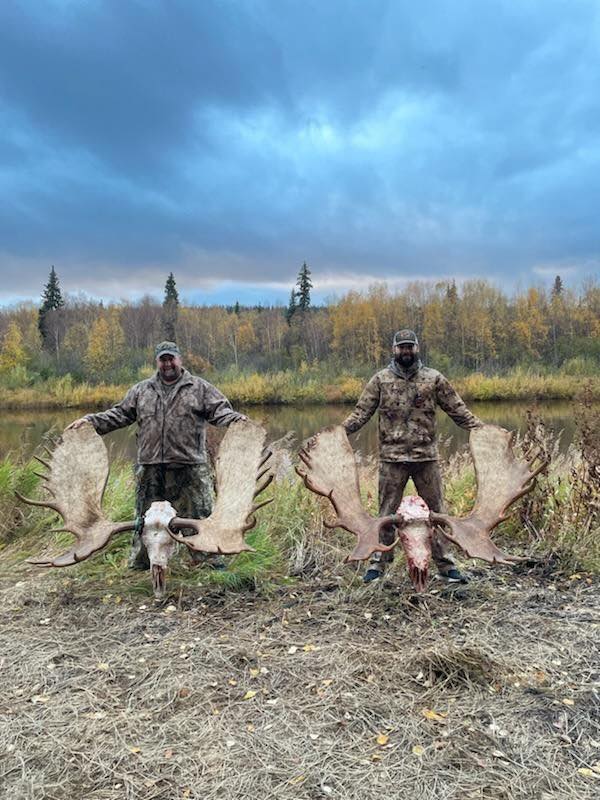
Credit: DIY Moose Hunt | Alaska
7. Weak Website or No Website at All
Hunters research online. If you’re not visible, you’re not an option.
Why it’s a problem
• You miss out on organic traffic
• Clients assume the operation is outdated
• Poor SEO = fewer leads
How to fix it
Ensure your website includes:
- Clear hunt packages
- Pricing
- Photos and videos
- FAQs
- Reviews
- Online booking
- Search-optimized descriptions
SEO Tip: Use long-tail keywords like:
“guided hog hunts in Texas,” “best waterfowl outfitters in Arkansas,” “affordable whitetail hunt packages.”
8. Not Collecting Reviews or Testimonials
Reviews are one of the strongest ranking factors for SEO-and one of the biggest trust builders for hunters.
Why it’s a problem
• Hunters hesitate to book without proof
• Competitors with more reviews win
• Referral momentum slows
How to fix it
Ask every client for a review within 24 to 48 hours.
Offer:
- Google reviews
- Facebook reviews
- Marketplace platform reviews
Make it easy. Automated follow-ups help.

Credit: DIY Moose Hunt | Alaska
9. Ignoring Safety, Insurance, and Liability Prep
Many new outfitters overlook legal and safety basics that protect their business long-term.
Why it’s a problem
• Huge legal exposure
• Risk of losing your license
• Higher insurance premiums after incidents
How to fix it
- Keep all waivers digital and up-to-date
- Train staff on safety procedures
- Carry proper outfitter or guide insurance
- Document incident reports
Professionalism = trust = more bookings.
10. Not Planning Enough for Growth
The biggest mistake? Underestimating how much time, staff, equipment, and systems are needed as you scale.
Why it’s a problem
• Burnout
• Poor client experience
• Inconsistent quality
• Limited capacity
How to fix it
Create a simple growth plan:
- What species will you add?
- How many hunters per year is sustainable?
- When do you hire help?
- When do you upgrade equipment?
- Which tasks should be automated?
Outfitters who plan ahead grow faster-and with fewer headaches.
The Takeaway? You Don’t Need to Learn the Hard Way
Every outfitter starts somewhere, but you don’t need to repeat the common mistakes that cost time, money, and opportunities. By focusing on clear communication, pricing correctly, investing in digital tools, and building predictable marketing systems, you set yourself up for long-term success.
If you want a steady pipeline of clients, fewer admin headaches, and a more profitable operation, start by tightening up these fundamentals-and you’ll be ahead of most outfitters out there.
Want to Learn More?
Follow HuntPay for guides on outfitter marketing, booking automation, and business growth strategies built for the hunting industry.