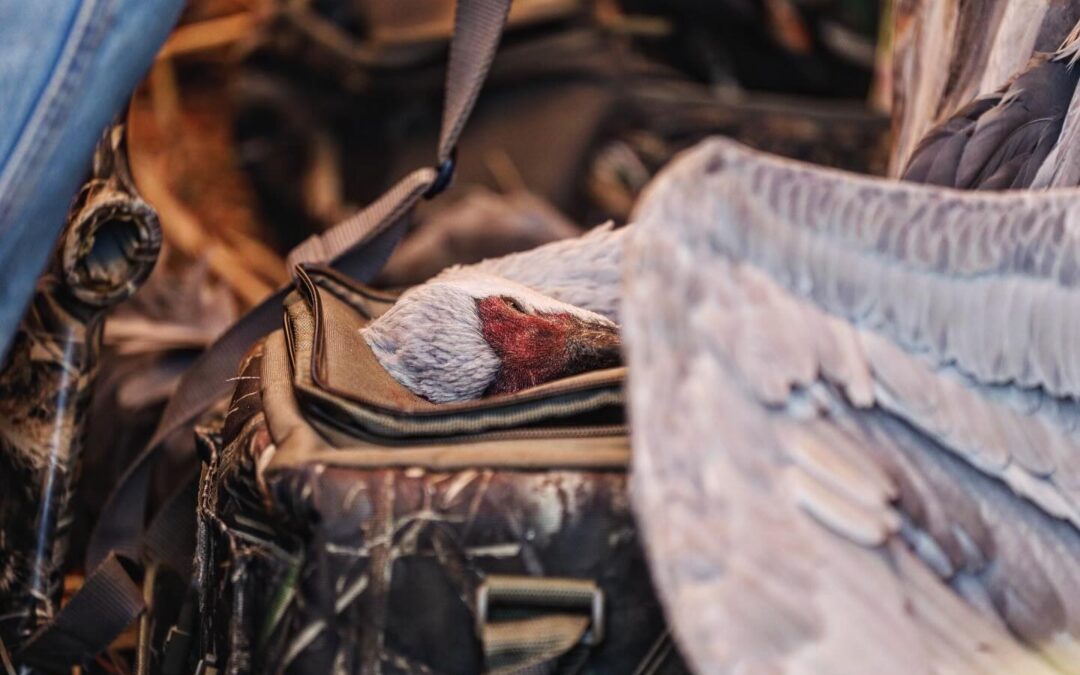
Credit: Sandhill Crane Hunt / West Texas
If you’re running an outfitting business-whether guiding big-game hunts, waterfowl trips, fly-fishing excursions, or wilderness backpack adventures-you’re in the business of experiences. But great hunts alone don’t fill your calendar. In a world where hunters and adventure-seekers start their search online, digital marketing is no longer optional…it’s essential.
This guide is written for outfitters who want to grow their business, fill more trips, and improve their operations. This isn’t a sales pitch for software or services-it’s an education piece built on data and outdoor-industry nuance so you can make smart decisions and build trust with your clients.
1. Why Digital Marketing Matters for Outfitters
- According to the Digital Marketing Institute, 76 % of consumers look for a company online before visiting a store (or booking a service).
- Local search is huge: one source estimates 46 % of all Google searches have “local intent.”
- For small businesses, digital strategies like SEO, content, social and email offer cost-effective ways to reach broader audiences.
- For outdoor/outfitter businesses, niche sources stress that “booking hunts is competitive” and that having a strong online presence is the difference between a full calendar and a slow season.
What this means for you as an outfitter:
- Your ideal client is likely doing research online: finding guides, checking reviews, comparing locations, reading packing lists.
- If you’re not visible in search, or don’t project trust via your website/socials, you’re handing those bookings to someone else.
2. Core Digital Marketing Channels for Outfitters
Here’s a breakdown of key channels you should focus on, with tailored notes for outfitting operations.
A. Search Engine Optimization (SEO) & Website
- Optimize your website so when hunters search terms like “guided elk hunt Montana” or “waterfowl outfitter Arkansas” you surface high in results. In one industry playbook for hunting outfitters: “SEO also depends on content… Add articles that match what hunters search for.”
- Local SEO matters: ensure your business appears in maps, local searches, etc. One stat: Google Business Profile listings with 100+ images receive over ten-fold more clicks.
- Mobile-friendly matters: 61 % of mobile users are more likely to contact a business if the website is mobile-friendly.
- Your website should reflect the real-world experience you deliver: quality photos/videos of guides, hunts, camp life; clear calls to action (book now, download trip plan, watch hunt montage); easy navigation.
B. Content Marketing
- Create content that aligns with what your ideal clients are searching. For example: “What to pack for a turkey hunt in Missouri,” “How to choose a back-country mule deer outfitter,” “What to expect on a waterfowl hunt in Canada.” This builds authority, helps SEO, and begins relationship building.
- Thought leadership matters: In the outdoor industry, “raw, current, live content” helps authenticity and builds trust.
- Storytelling wins: Show emotional moments, adventure, connection with nature-not just “book today” pitches. Outdoor marketing experts emphasize it’s about “emotional connections through powerful digital marketing” for the outdoor sector.
C. Social Media & Video
- Video is powerful: According to HubSpot, 89 % of businesses use video marketing and 93 % of video marketers reported positive ROI.
- Short-form clips (e.g., guide walking camp, day one harvest, client reactions) work especially well in the outdoor industry.
- Use social to build awareness and funnel people to your website or newsletter, rather than only focusing on bookings directly.
- Social also helps your brand authenticity-clients can see you’d rather be outdoors than behind a desk.
D. Email Marketing & Lead Nurturing
- Not every visitor books immediately. Use email to stay top-of-mind: share hunt calendar updates, special offers, gear checklists, behind-the-scenes looks.
- Outdoor trend sources say: “Video + email” is an under-leveraged combo for outdoor brands.
- Automation helps: e.g., when someone downloads your pack list, drop them a 3-email sequence with tips, testimonials, and a booking invitation.
E. Paid Advertising (When Ready)
- For many small businesses 45 % have a paid search strategy; 65 % of SMBs have PPC campaigns.
- But paid should only support a strong organic foundation (SEO + content) for long-term growth.
- For outfitters, retargeting ads (to website visitors who didn’t book) can be effective given the high-ticket nature of the business.
3. Building Trust & Differentiation – Why Outfitter Marketing Is Special
In the outdoor guiding world, people are buying you as much as the service. They want to trust you with their time, money, and sometimes safety. Here’s how digital marketing helps with trust and differentiation:
- Show your uniqueness. What makes your outfitting business special? Maybe it’s trophy class hunts, family-friendly trips, veteran-guide pedigree, conservation focus. In the outdoor marketing tips list: “What makes your product so unique? … Tell people why.”
- Authentic content wins. Real photos/videos of recent trips, guide introductions, client testimonials. Those make people comfortable.
- Educational content builds credibility. Blog posts or videos like “How to choose your tag draw state,” “What to expect on your first hunt,” or “Pack list for early-season elk” position you as an expert.
- Reviews & social proof. Encourage past clients to leave reviews, share photos, tag you on socials.
- Transparent process & operations. On your website: show itineraries, what’s included, what to bring, booking/cancellation terms. Building clarity reduces friction and builds trust.

Credit: Yukon Moose Hunt / Alaska
4. Digital Marketing Funnel for Outfitters (Top-of-Funnel Focus)
In this article we’re emphasizing the top part of the funnel-but remember: awareness leads to consideration, which leads to booking (conversion).
Let’s map it out for your outfitter business.
|
Funnel Stage |
What the client is thinking |
What you (outfitter) should provide |
|
Awareness |
“I want to go on a hunt / trip / adventure, and I’m starting to look.” |
Blog posts, social posts, YouTube / reels, email opt-in offer (“Free Pack Checklist”), visibility in search. |
|
Consideration |
“Which outfitter? What destinations? What time? What price?” |
Guides with comparison content (“Why X destination vs Y”), testimonials, FAQs, email nurture series. |
|
Conversion |
“Okay-I’m ready. I want to book.” |
Clear pricing, booking form, availability calendar, early-bird incentives, easy payment options. |
|
Retention / Referral |
“I had a great time-what’s next? I want to tell others.” |
Post-trip wrap-up emails, encourage client stories, social sharing, loyalty program or referral discount. |
For top-of-funnel, your focus should lean heavily on awareness & education: content that draws in people who aren’t yet ready to book, but who will be in a week, a month or two.
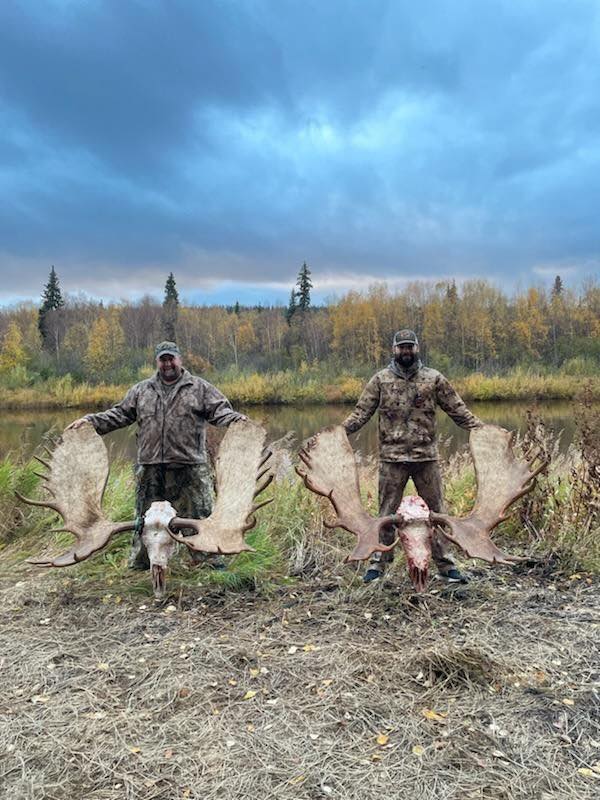
Credit: DIY Moose Hunt | Alaska
5. Practical Steps You Can Take This Week
Here are actionable items you can start immediately to build your digital foundation.
- Audit your website
- Is your website mobile-friendly? According to local search stats, mobile usability matters.
- Does it clearly show your offering, location, value proposition?
- Do you have clear call-to-actions: “Download the free packing list”, “See calendar”, “Book now”?
- Are loading times fast? Are photos high-quality?
- Pick one core keyword theme
- For example: “guided turkey hunts Missouri”, or “backcountry mule deer outfitter Utah”.
- Use that theme for one new blog post this week: e.g., “What to expect on a guided turkey hunt in Missouri” (map out what you’ll cover).
- Ensure the blog post is optimized (title tag, meta description, internal links).
- Plan your content calendar (next 3-6 months)
- List 6-8 blog/social ideas around your bookings season, gear, tips, packing lists, testimonials.
- For each piece of content, plan to capture a photo or short video (real-field footage increases authenticity).
- Post consistently: e.g., every 1-2 weeks.
- Set up or optimise your email opt-in
- Create a simple landing page or pop-up offering a free resource (pack list, hunt tips, discount) in exchange for email address.
- Plan a short email sequence (3 emails): welcome + value, case study/testimonial, invite to book or learn more.
- Leverage social/video storytelling
- Shoot at least one short video (30-60 seconds) of past clients in action, guides talking about the hunt, or camp life.
- Post it on Instagram/Facebook/YouTube.
- Tag people, ask them to share.
- Track your results & refine
- Use Google Analytics or similar to track website traffic, blog engagement, email open/click rates.
- If a blog post gets good traction, expand it or repurpose it into a video.
- If you see one channel underperforming (e.g., social isn’t driving traffic), re-allocate your effort.
6. Budgeting & Resource Realities
As an outfitter, you’re likely wearing many hats-guide, marketer, operator. The good news: you don’t need a huge team to start, but you do need a consistent effort.
- Many small businesses manage marketing teams of one to three people.
- According to one report, small businesses plan to spend on average 7-10 % of their revenue on marketing.
- If you’re just beginning, focus on low-cost/high-return: content, SEO, email. Paid advertising can come later once you have data.
- Outsource what you don’t want to do: for example, hire a specialist for your website refresh or for one video shoot-then you own the assets.
7. Metrics That Matter (Focus on Awareness Stage)
Since you’re building awareness / top of funnel, your metrics early-stage will be different than conversion metrics.
Key metrics to track:
- Website visits (and specifically organic search visits)
- Time on page / bounce rate (are visitors engaging)
- Email opt-in rate (percentage of visitors who sign up)
- Social engagement (likes/shares/comments) especially for content pieces
- Video views / watch-through rate (for videos)
- Keyword rankings (for target keywords)
Over time, you’ll evolve to tracking leads booked, booking rate (% of inquiries to bookings), revenue per booking-and those will come once you’ve got the awareness pipeline working.

Common Mistakes Outfitters Make & How to Avoid Them
- Mistake: “I’ll just set up a website and wait for bookings.”
Fix: Treat your website as a hub of ongoing content, engagement and trust-building.
- Mistake: “I’m on every platform, but no one is booking.”
Fix: Choose 1-2 channels and nail them. Often less is more. Spreading yourself too thin dilutes impact.
- Mistake: “I don’t track metrics.”
Fix: You must track what works (and what doesn’t) so you can reallocate effort.
- Mistake: “My content is only promotional-‘book now’ all the time.”
Fix: At awareness stage, build value, tell stories, share expertise. Doing so builds trust; bookings will follow.
- Mistake: “I ignore mobile or local SEO.”
Fix: Many clients are hunting via smartphones; optimize for mobile and local search terms.
9. Outlook & Emerging Trends for Outfitters
- Video in email and social is becoming a dominant force for outdoor-brands.
- Authentic content (less polish, more real) is resonating more in the adventure/outdoor space.
- Local SEO and “near me” searches continue to rise (hunters researching guides near destination).
- While not yet primary for many outfitters, tools such as automation and even AI (for content ideas, scheduling, personalization) are beginning to show promise across small businesses.
In your outfitting business, success comes down to more than just trips and tags-it comes down to visibility, credibility, and engagement. Digital marketing is your bridge from the wild outdoors to the client’s decision-making moment online.
Start with a strong website, build educational content, tell authentic stories, collect email leads, and engage your audience via social. These are the building blocks for long-term growth.
You don’t have to be perfect from day one-consistency beats perfection every time. Focus on being found, being trusted, and being compelling. When hunters look for a guide, you want them to find you and feel confident in you before they ever pick up the phone.
Want to Learn More?
Follow HuntPay for guides on outfitter marketing, booking automation, and business growth strategies built for the hunting industry.